Oven Cleaning in Modern Homes: Practical Tips, Deep Cleaning Steps, and Long-Lasting Results
Oven cleaning is one of those household tasks that many people delay until burnt-on grease, smoke, and stubborn odors make it impossible to ignore. Yet regular oven cleaning does more than improve appearance. It can help your appliance work more efficiently, reduce unpleasant smells, and support better food quality. Whether you cook daily or only occasionally, keeping your oven clean is an important part of maintaining a healthy and functional kitchen.
In this article, we’ll explore why oven cleaning matters, how buildup affects performance, which methods work best, and when it makes sense to choose professional oven cleaning. You’ll also learn practical maintenance tips, safety considerations, and smart ways to keep your appliance looking and performing its best for longer. If you want a cleaner kitchen and a better cooking experience, this information will help you take the next step with confidence.
For homeowners, landlords, tenants, and property managers, oven cleaning can also play a role in property care and end-of-tenancy standards. A spotless oven not only improves hygiene but also creates a stronger impression in any home. If your appliance has become difficult to clean on your own, professional oven cleaning services can save time and deliver impressive results.
Why Oven Cleaning Matters More Than Many People Realize

Oven cleaning is not just about removing visible dirt. Over time, grease, food spills, carbon deposits, and baked-on residue collect on trays, walls, fans, racks, and glass doors. This buildup can affect heat distribution, create smoke during cooking, and produce unwanted odors that transfer to your meals. In severe cases, leftover debris can even become a fire risk.
A clean oven also supports better energy efficiency. When heat cannot circulate properly because of heavy buildup, the appliance may need to work harder to reach and maintain temperature. That can lead to inconsistent cooking times and higher energy use. Regular oven cleaning helps the unit operate more smoothly and may extend its lifespan.
For health-conscious households, oven cleaning matters because grime can harbor bacteria and stale grease. While the inside of an oven gets hot, residue on removable parts or around seals can still affect overall hygiene. Keeping the appliance clean is a simple way to maintain a fresher and more sanitary kitchen environment.
Common Signs Your Oven Needs Cleaning
If you’re unsure whether it’s time for oven cleaning, there are some clear warning signs to look for:
- Smoke appears when you turn the oven on.
- Strong burnt or greasy odors linger after cooking.
- Food browns unevenly or takes longer than usual to cook.
- The oven window is cloudy or stained.
- There is visible carbon, grease, or dripped food on racks and walls.
Different Types of Oven Cleaning Methods
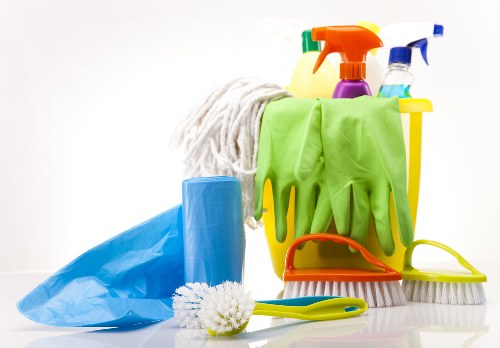
There is no single approach to oven cleaning that suits every household. The best method depends on the type of appliance, how dirty it is, and how much time you have available. Some people prefer natural cleaning solutions, while others rely on commercial degreasers or professional services for tougher jobs.
One of the most popular methods is manual oven cleaning, which uses cleaning products, scrubbing tools, and careful attention to detail. This method allows you to target grease and grime directly, especially around seals, corners, and removable parts. It can be effective, but it often takes time and effort.
Self-cleaning ovens are another option. These appliances use very high temperatures to burn residue into ash, which can then be wiped away. While convenient, this setting can create odors and may not remove all buildup, especially if residue has accumulated heavily. It’s important to follow manufacturer instructions before using any self-cleaning function.
Manual Oven Cleaning
Manual oven cleaning is often the most flexible option because it allows you to focus on specific areas. This process may include the following:
- Removing racks and trays for separate cleaning.
- Applying an oven-safe cleaner or natural solution.
- Allowing the product to sit so it can loosen residue.
- Scrubbing with non-abrasive pads or brushes.
- Wiping away loosened grime with a damp cloth.
For many households, this is the most practical way to achieve a thorough result without using the highest-heat cycle.
Self-Cleaning Ovens
Self-cleaning models are designed to reduce manual labor, but they still require some preparation. Before activating the cycle, remove racks if recommended and make sure the kitchen is ventilated. Keep in mind that this method can take several hours and may not be ideal for older or heavily soiled appliances.
Step-by-Step Oven Cleaning Process for Better Results

A structured oven cleaning routine helps you work more efficiently and avoid missing hidden grime. If you are cleaning the oven yourself, a careful step-by-step approach can make the task much easier and improve the final result. The key is preparation, patience, and choosing products that are safe for the specific appliance.
Start by turning the oven off and allowing it to cool completely. Remove racks, trays, thermometers, and any loose accessories. Then clear the surrounding area so you have enough space to work. This makes oven cleaning safer and helps prevent accidental spills on nearby surfaces.
Next, choose your cleaning method. Some people prefer a baking soda paste and vinegar spray for a gentler approach, while others use a commercial oven cleaner for stronger grease removal. Whichever you choose, always read labels and use gloves if recommended. Safety should come first during every oven cleaning session.
Recommended Cleaning Order
To keep the process organized, follow this order:
- 1. Interior surfaces: walls, roof, base, and corners.
- 2. Racks and trays: soak and scrub separately.
- 3. Door glass: remove streaks and cloudy buildup.
- 4. Knobs and exterior panels: wipe grease and fingerprints.
- 5. Final inspection: make sure no residue remains before use.
Working in this order prevents cleaned areas from getting dirty again and helps you manage your time more effectively.
Natural Oven Cleaning Options
If you prefer a more eco-friendly approach, natural oven cleaning methods can be useful for routine maintenance. Baking soda mixed with a little water can form a paste that loosens grease when left to sit. A vinegar spray can help lift residue and reduce odor. These methods are not always strong enough for heavy carbon buildup, but they work well for lighter cleaning tasks and regular upkeep.
Professional Oven Cleaning: When It Makes Sense
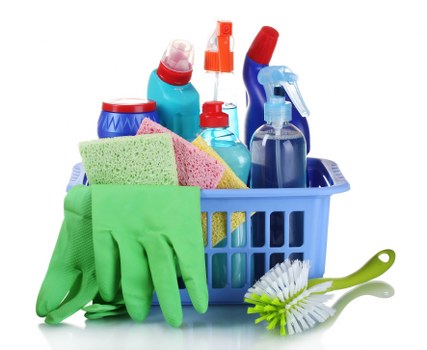
There are times when DIY oven cleaning simply is not enough. If the appliance has years of buildup, stubborn burnt-on grease, or inaccessible areas that are hard to reach, professional oven cleaning can be the better choice. Trained technicians use specialist tools, powerful yet safe cleaning agents, and detailed techniques to restore ovens more effectively.
Professional oven cleaning is especially useful for busy households, rental properties, and anyone preparing a home for sale or inspection. It also reduces the time and effort required from the homeowner. Instead of spending hours scrubbing racks and surfaces, you can leave the task to experts who know how to handle the job properly.
Another advantage is that professional oven cleaning often includes attention to details people commonly miss, such as fans, seals, door edges, light covers, and control areas. These hidden spots can accumulate grease and affect the overall performance of the appliance. A deep and careful service can make a noticeable difference in both cleanliness and cooking results.
Benefits of Choosing a Professional Service
- Thorough removal of stubborn grease and carbon deposits.
- Less personal time and physical effort required.
- Improved appliance appearance and performance.
- Reduced risk of damaging delicate parts.
- Cleaner, fresher cooking conditions.
If your oven has not been cleaned in a long time, booking professional oven cleaning may be the most efficient and effective solution. Contact us today if you want a fresh start for your appliance and a cleaner kitchen environment.
How Often Should You Clean Your Oven?
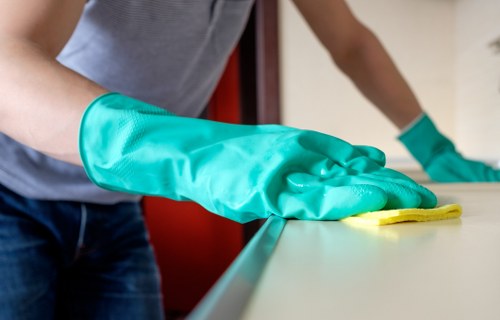
The ideal oven cleaning schedule depends on how often you cook and what types of food you prepare. Homes that frequently roast meats, bake casseroles, or prepare oily dishes may need more frequent cleaning than households that use the oven only occasionally. As a general rule, light maintenance should be done regularly, while deep oven cleaning can be scheduled a few times per year.
For many families, a quick wipe-down after spills and a more detailed cleaning every one to three months keeps the oven in good shape. If food frequently splatters or smoke appears often, a deeper clean may be needed sooner. Keeping up with maintenance prevents residue from becoming harder to remove later.
In rental homes or shared properties, oven cleaning may also be necessary between occupants. A clean appliance can improve the overall presentation of the kitchen and help meet property standards. For landlords and tenants, maintaining a clean oven is often part of good housekeeping and responsible home care.
Factors That Affect Cleaning Frequency
- How often the oven is used.
- The types of food cooked.
- Whether spills are cleaned immediately.
- If the appliance has a self-cleaning function.
- Whether the home uses the oven daily or occasionally.
By paying attention to these factors, you can create an oven cleaning routine that fits your household instead of waiting until the appliance becomes a major chore.
Safety Tips for Effective Oven Cleaning
Safety should always be part of any oven cleaning process. Many products are powerful, and heat or poor ventilation can create additional risks. By taking a few precautions, you can clean more confidently and avoid unnecessary accidents.
Always ensure the oven is off and cool before starting. Open windows or turn on an extractor fan if you are using cleaners with strong fumes. Wear gloves if the product label recommends them, and never mix cleaning chemicals unless instructions clearly allow it. This is especially important when doing deep oven cleaning in smaller kitchens with limited airflow.
It’s also wise to test a cleaning product on a small hidden area first if you are unsure how the surface will react. Some finishes, seals, and coatings can be sensitive to harsh chemicals or abrasives. A careful approach helps protect your appliance while still delivering strong results.
Things to Avoid During Oven Cleaning
- Do not use metal scouring pads on delicate surfaces.
- Do not spray cleaner near exposed flame or electrical components.
- Do not leave chemical residue behind before using the oven again.
- Do not scrub too aggressively on glass or control panels.
- Do not ignore manufacturer instructions.
These simple precautions can prevent damage and make oven cleaning safer and more effective in the long term.
How to Maintain a Cleaner Oven Between Deep Cleans
One of the best ways to reduce the need for intensive oven cleaning is to keep up with small maintenance habits. Wiping spills promptly, using baking trays to catch drips, and checking food while it cooks can all help prevent buildup. Small actions add up over time and make deep cleaning easier later.
After the oven cools, wipe away any fresh mess before it hardens. If a dish bubbles over, clean the spot as soon as possible. A quick response can stop grease from baking into the surface and becoming much harder to remove. This simple habit can significantly reduce your oven cleaning workload.
Using liners or tray protectors where suitable can also help, as long as they are approved for oven use and do not block airflow. In addition, keeping the oven door closed properly and avoiding overfilling dishes can minimize splatter. Routine care like this makes your appliance easier to maintain and improves the results of future cooking.
Useful Maintenance Habits
- Wipe spills after the oven cools.
- Use covered dishes when possible.
- Check food for overflow during baking or roasting.
- Clean racks and trays regularly.
- Inspect the door seal to ensure it stays free of grime.
These small habits help preserve your appliance and reduce the effort required for future oven cleaning sessions.
Why Oven Cleaning Improves Cooking Quality
A clean oven does more than look good. It can directly improve how your food tastes, smells, and cooks. When grease and residue are removed, heat can distribute more evenly, helping dishes cook with better consistency. This is especially important for baking, where precise temperatures matter.
Burnt residue can also create smoke that changes the flavor of food. If you’ve ever noticed a meal tasting slightly off after cooking in a dirty oven, leftover grime may be part of the reason. Regular oven cleaning helps create a cleaner cooking environment, which supports better flavor and presentation.
Even the visual appeal of your kitchen benefits. A fresh-looking oven makes the whole room feel more organized and inviting. Whether you’re preparing a family dinner or hosting guests, a clean appliance contributes to a more pleasant cooking experience. Clean ovens support cleaner meals, and that makes the effort worthwhile.
Choosing the Right Oven Cleaning Approach for Your Needs
The right oven cleaning method depends on your schedule, budget, appliance type, and the level of buildup present. Light routine cleaning can often be handled at home with simple supplies, while older or heavily soiled ovens may need a more intensive treatment. It helps to assess the condition of your oven honestly before choosing a method.
If you enjoy hands-on cleaning and your oven only needs regular upkeep, a manual or natural approach may be enough. If your appliance has stubborn grease, difficult corners, or lingering odors, professional oven cleaning could be the smarter choice. In either case, consistency is the most important factor.
By staying on top of oven cleaning, you save time, reduce stress, and help your appliance last longer. You also enjoy a kitchen that feels fresher, safer, and more pleasant to use. If your oven needs attention now, don’t wait for the mess to get worse. Book your service now and give your kitchen the clean finish it deserves.
Final Thoughts on Oven Cleaning
Oven cleaning is one of the most valuable maintenance tasks in any home, yet it is often overlooked until the problem becomes obvious. From improving hygiene and efficiency to reducing smoke and bad odors, the benefits are clear. A cleaner oven can also make everyday cooking easier and more enjoyable.
Whether you choose to clean the appliance yourself or hire a professional, the most important thing is to act before grease and carbon buildup become overwhelming. Consistent oven cleaning protects your investment and keeps your kitchen in better condition all year round.
If you want better cooking results, a fresher home, and less hassle in the long run, make oven cleaning part of your regular routine. Contact us today and take the first step toward a cleaner, healthier kitchen.