Communal Area Cleaning for Safer, Smarter, and More Welcoming Shared Spaces
Why Communal Area Cleaning Matters
Communal area cleaning plays a major role in how residents, visitors, tenants, and staff experience a shared property. Whether it is an apartment block, office building, residential complex, school, or mixed-use development, the cleanliness of shared areas affects safety, comfort, hygiene, and first impressions.
These spaces are used by many people every day, which means dirt, dust, spills, fingerprints, and germs build up quickly. Without regular communal area cleaning, entrances lose their appeal, stairwells become dull and unsafe, and common touchpoints may contribute to poor hygiene. A well-maintained communal environment, on the other hand, sends a clear message: the property is cared for, organized, and respectful of everyone who uses it.
From lobby floors and lifts to corridors, bin areas, and shared bathrooms, communal area cleaning helps create a healthier environment. It also supports property value, tenant satisfaction, and compliance with hygiene expectations in many settings.
What Counts as a Communal Area?
Before planning a cleaning routine, it helps to define what communal areas include. In most properties, communal or shared areas are spaces that are accessible to multiple occupants rather than being used by one household or tenant alone.
Typical areas covered by communal area cleaning include:
- Entrances and reception areas
- Hallways and corridors
- Staircases and handrails
- Lifts and lift buttons
- Shared kitchens and break rooms
- Shared bathrooms and washrooms
- Bin stores and waste collection points
- Communal lounges or waiting areas
- Car parks, walkways, and external access points
Each of these areas has different cleaning needs. A lobby may require daily dusting and floor care, while bin rooms may need deodorizing and sanitizing more frequently. The best communal area cleaning plan considers usage levels, foot traffic, building type, and seasonal conditions.
Benefits of Professional Communal Area Cleaning
Professional communal area cleaning offers more than visual appeal. It supports hygiene, safety, and the overall reputation of the building. Clean communal spaces can reduce slips and trips, minimize unpleasant odours, and help prevent the spread of germs on high-touch surfaces.
Some of the main benefits include:
- Better first impressions for visitors, tenants, and clients
- Improved hygiene in high-contact shared environments
- Reduced maintenance issues caused by neglected dirt and debris
- Safer walkways through regular removal of spills and clutter
- Longer lifespan for flooring, fixtures, and fittings
- Higher tenant satisfaction and stronger property reputation
For landlords and building managers, investing in communal area cleaning can also help reduce complaints and improve occupancy appeal. For businesses, it creates a workspace that feels organized, professional, and healthier for employees and guests.
In practical terms, cleanliness in shared areas is not a luxury; it is a basic expectation. When people enter a building, they quickly notice whether it is well cared for. A consistent communal area cleaning routine helps ensure that impression stays positive.
Key Areas That Need Regular Attention
Every shared property has specific hotspots that need special attention. Effective communal area cleaning means identifying those places and cleaning them with the right frequency and method.
High-touch surfaces
Door handles, push plates, lift buttons, handrails, light switches, and intercoms are touched by many people throughout the day. These surfaces should be cleaned and disinfected regularly to support hygiene in communal environments.
Floors and entry points
Floors collect dust, mud, rainwater, and litter from constant foot traffic. Entry mats, vacuuming, sweeping, and mopping are essential parts of communal area cleaning, especially in wet or busy seasons.
Waste and recycling areas
Bin rooms and waste collection points can become sources of odour and pests if not maintained properly. These areas often require deodorizing, sanitizing, and litter removal as part of a robust cleaning plan.
Glass and mirrors
Fingerprints, smudges, and dust can quickly make glass surfaces look neglected. Regular cleaning of entrance glass, mirrors, and display panels helps communal spaces feel brighter and more polished.
How Often Should Communal Areas Be Cleaned?
The frequency of communal area cleaning depends on how often the space is used and what type of property it is. A small residential block may need a different schedule from a busy office building or student accommodation.
As a general rule:
- Daily cleaning is ideal for high-traffic entrances, lifts, toilets, and shared kitchens
- Several times per week may suit corridors, stairwells, and reception spaces in moderate-use properties
- Weekly deep cleaning can help maintain lower-traffic communal zones
- Monthly or seasonal cleaning may be needed for windows, skirting boards, vents, and external areas
Many property managers choose flexible communal area cleaning schedules based on the building’s needs. For example, rainy weather may require more frequent floor care, while colder months may lead to increased dirt tracked indoors. Busy sites often benefit from a mix of daily upkeep and periodic deep cleaning.
A practical cleaning schedule should also be responsive. If there is a spill, overflow, or unexpected mess, the team should address it promptly to keep communal spaces safe and presentable.
Essential Tasks in a Communal Area Cleaning Routine
Well-planned communal area cleaning covers a variety of recurring tasks. These tasks help keep the property tidy, hygienic, and welcoming without allowing dirt or clutter to build up.
Daily tasks
- Sweeping and mopping floors
- Removing litter and loose debris
- Cleaning touchpoints such as handles and switches
- Emptying bins and replacing liners
- Spot-cleaning marks, spills, and stains
Weekly tasks
- Vacuuming carpets and mats
- Cleaning skirting boards and corners
- Polishing mirrors, glass, and metal fixtures
- Sanitizing shared bathrooms and kitchen areas
- Wiping down furniture and ledges
Periodic tasks
- Deep cleaning floors
- Machine scrubbing where needed
- Cleaning vents and hard-to-reach areas
- Refreshing waste storage spaces
- Detail cleaning around entrances and thresholds
By dividing duties into daily, weekly, and periodic tasks, communal area cleaning becomes easier to manage and more effective over time.
Choosing the Right Cleaning Methods
Different communal spaces need different methods, and that is why a one-size-fits-all approach rarely works well. A professional communal area cleaning plan should match the surface type, level of use, and environmental conditions.
For hard floors, methods such as sweeping, vacuuming, damp mopping, and machine scrubbing may be used. Carpeted communal areas benefit from regular vacuuming and periodic extraction cleaning. Glass surfaces need streak-free cleaning, while washrooms require sanitizing products that are suitable for shared hygiene spaces.
It is also important to choose products that are effective but safe for the environment and the people who use the building. Many property managers now look for eco-conscious communal area cleaning solutions that reduce harsh chemical exposure while still delivering excellent results.
Surface-specific care
Wood, tile, vinyl, carpet, stainless steel, and painted surfaces all need different approaches. Using the wrong product can cause damage, dullness, or residue buildup. That is why trained cleaners often inspect materials before selecting their method.
Health, Hygiene, and Safety Considerations
One of the strongest reasons to prioritize communal area cleaning is the impact on health and safety. Shared spaces can become a breeding ground for bacteria, dust, and allergens if they are not maintained properly. Regular cleaning helps reduce these risks and supports a healthier indoor environment.
Clean floors and dry walkways reduce the chance of slips. Sanitized handles and buttons lower the spread of germs. Dust removal can improve air quality, especially in enclosed corridors or stairwells. In buildings with vulnerable residents or high occupancy, these benefits are even more important.
Safety also includes keeping shared spaces free from clutter, blocked exits, and overflowing bins. A complete communal area cleaning program should support clear access, proper waste management, and quick response to hazards.
Why hygiene matters in shared buildings
People may not always notice when a communal area is spotless, but they almost always notice when it is not. Hygiene in common areas reflects the standards of the whole property. Regular cleaning shows respect for occupants and visitors while supporting a healthier daily routine.
Communal Area Cleaning for Different Property Types
Although the principles are similar, communal area cleaning can vary depending on the type of building. Different spaces generate different cleaning challenges.
Residential buildings
Apartment blocks and shared housing often require regular cleaning of lobbies, stairwells, corridors, lifts, and bin storage areas. Residents expect communal spaces to be tidy, odor-free, and safe.
Commercial properties
Office buildings, coworking spaces, and business centers may need extra attention in receptions, meeting areas, washrooms, break rooms, and entrance glass. A polished environment supports professionalism.
Educational settings
Schools, colleges, and training centers have high foot traffic and frequent touchpoint use. Communal area cleaning in these spaces usually focuses on hygiene, speed, and regular disinfection.
Healthcare and care facilities
Shared spaces in healthcare-related settings require strict cleaning standards. Lobbies, corridors, waiting spaces, and staff areas must be maintained carefully to help support infection control and comfort.
Each environment has its own priorities, but the goal remains the same: a clean, safe, and pleasant shared area that works well for everyone.
What Makes a Communal Cleaning Plan Effective?
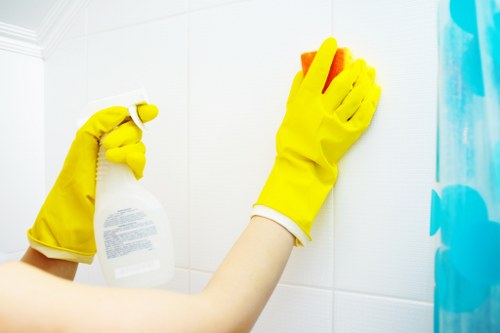
An effective communal area cleaning plan is clear, practical, and consistent. It should define who is responsible, what needs cleaning, how often tasks should be done, and how quality will be checked.
Key features of a strong plan include:
- Clearly assigned responsibilities
- Routine schedules for daily and periodic tasks
- Checklists for each shared area
- Supplies and equipment matched to the property
- Regular inspections or supervision
- Fast response procedures for spills and hazards
Documentation is also valuable. A well-recorded communal area cleaning schedule helps property managers track progress, identify repeated issues, and maintain consistent standards across the building.
When expectations are clear, cleaning teams can work efficiently and occupants can trust that shared spaces are being looked after properly.
Professional vs In-House Cleaning
Some properties rely on in-house staff for communal area cleaning, while others hire professional cleaning services. Both approaches can work, but they have different strengths.
In-house cleaning can offer familiarity and direct oversight, especially in smaller buildings. However, professional services often bring specialized equipment, trained staff, flexible scheduling, and better coverage for larger or more complex sites.
Here are a few factors to consider:
- Building size: Larger properties often need dedicated cleaning expertise.
- Traffic levels: Busy communal spaces may require more frequent attention.
- Cleaning standards: Professional services can offer consistent quality control.
- Special requirements: Certain surfaces or hygiene-sensitive spaces may need expert care.
For many property owners, a hybrid approach works well. Routine communal area cleaning can be handled daily, while periodic deep cleaning is assigned to specialists for best results.
Seasonal Challenges in Communal Area Cleaning
Shared spaces do not stay the same throughout the year. Weather, occupancy patterns, and seasonal activities all affect communal area cleaning needs.
Winter
Rain, mud, slush, and road salt can quickly dirty entrances and floors. More frequent mat maintenance and floor cleaning may be needed during colder months.
Spring
Allergens, pollen, and dust may increase in the air. This is a good time for deep cleaning carpets, vents, and hidden corners.
Summer
Warm weather can lead to odours, pests, and increased foot traffic in some buildings. Waste areas and shared kitchens may need extra attention.
Autumn
Leaves, moisture, and debris often collect near entrances and walkways. External access points should be kept clear and safe.
By adapting communal area cleaning to the season, building managers can keep standards high all year long and avoid preventable problems.
Communal Area Cleaning and Property Value
Clean shared areas are closely linked to property value and tenant perception. A neglected lobby or dirty hallway can create doubts about the overall care of a building, even if the private units or offices are well maintained.
Communal area cleaning supports property value in several ways:
- It improves curb appeal and interior presentation
- It helps prevent damage from spills, grit, and buildup
- It reduces complaints from occupants and visitors
- It strengthens the building’s reputation in the market
For landlords and managers, regular communal area cleaning is a practical investment rather than an optional extra. Clean surroundings can make a property easier to let, lease, or sell because they create confidence in the overall maintenance standards.
In a competitive market, details matter. Shared spaces are often the first area people see, so keeping them clean can make a lasting difference.
Practical Tips for Better Results
If you want better outcomes from communal area cleaning, consistency matters more than occasional effort. Small habits repeated over time deliver the best long-term results.
Helpful tips
- Use a structured cleaning checklist for each shared area
- Focus on touchpoints and high-traffic zones daily
- Respond quickly to spills, litter, and hazards
- Use suitable products for each flooring and surface type
- Inspect cleaning results regularly
- Keep supplies stocked to avoid interruptions
Communication is also important. Residents or occupants should know how to report issues such as overflowing bins, blocked areas, or repeated mess. That way, communal area cleaning can be adjusted quickly when needed.
Small details, such as polished glass, fresh-smelling corridors, and clean door frames, contribute to a noticeably better environment.
Why Consistency Wins
One-off deep cleans can improve a space temporarily, but lasting results come from consistency. Regular communal area cleaning prevents buildup, maintains standards, and reduces the chance of larger cleaning problems later.
Consistency also creates trust. When residents, tenants, or visitors repeatedly see clean and orderly communal areas, they feel more comfortable and confident in the property. That stability is especially valuable in busy buildings where many people share the same environment.
Communal area cleaning is therefore not just about appearance. It supports wellbeing, safety, functionality, and the professional image of a property. When done well, it makes everyday life smoother for everyone who enters the building.
Book your service now if you want shared spaces that look better, feel cleaner, and perform better day after day. Contact us today to keep your communal environment maintained to a high standard.