Insurance and Safety
 Keeping people, property, and operations protected is at the heart of any reliable insurance and safety approach. Whether a project is large or small, strong safeguards help reduce disruption, support compliance, and build confidence across every stage of work. A well-managed public liability insurance policy is one part of that protection, but it works best alongside practical safety measures, clear supervision, and a culture of awareness. In simple terms, an effective insurance and safety framework is not just about responding when something goes wrong; it is about preventing incidents before they happen.
We believe that insurance for safety should never be treated as an afterthought. Every site, task, and environment presents different risks, which is why planning must be tailored and reviewed regularly. From slip hazards and manual handling concerns to equipment use and public-facing work, the goal is to put sensible controls in place. When policies, procedures, and training work together, businesses can operate with greater resilience and far fewer avoidable interruptions.
One of the most important foundations is public liability insurance. This type of cover helps protect against claims made by third parties for injury or property damage linked to your activities. While insurance does not remove the need for caution, it provides vital financial protection if an unforeseen event occurs. For any organisation focused on safety and insurance, having the right cover in place is a key step in responsible risk management.
 Alongside insurance, staff training plays a major role in keeping workplaces safe. Well-trained teams are more likely to identify hazards early, follow procedures correctly, and respond calmly in unexpected situations. Training should not be a one-time event; it should be refreshed regularly so that knowledge stays current and practical skills remain sharp.
Effective training can cover a wide range of topics, including hazard spotting, safe lifting, equipment handling, emergency actions, and correct reporting procedures. For teams working in public areas, it may also include awareness of pedestrian movements, barriers, signage, and communication with visitors. By investing in training, businesses strengthen both their insurance and safety position and their day-to-day operational reliability.
Good training also supports accountability. When staff understand why a procedure matters, they are more likely to follow it consistently. This is particularly important in environments where conditions can change quickly. A strong insurance and safety policy is therefore not only written in documents; it is embedded in everyday actions, decisions, and habits.
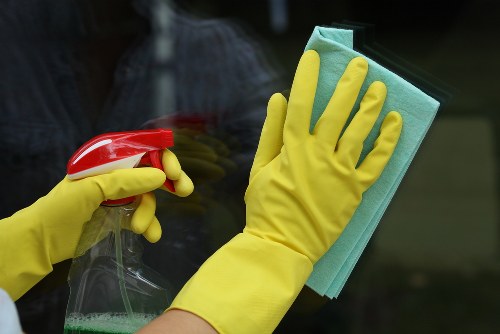
 Another essential element is the use of suitable PPE, or personal protective equipment. PPE is designed to reduce exposure to hazards that cannot always be fully removed through other controls. Depending on the task, this may include helmets, gloves, hi-vis clothing, protective footwear, eye protection, or respiratory equipment. The correct choice of PPE depends on the nature of the work and the risks identified during assessment.
PPE must be selected carefully, fitted properly, and maintained in good condition. Damaged or poorly fitting equipment can reduce protection and create a false sense of security. Employers and supervisors should ensure that workers understand when PPE is required, how to use it correctly, and when it should be replaced. In a well-run safety and insurance environment, PPE is treated as part of a wider control system rather than the only line of defence.
Protective equipment is most effective when combined with supervision, safe systems of work, and clear instructions. For example, gloves may help reduce cuts, but they do not replace the need for proper tool handling. Similarly, hi-vis clothing improves visibility, but safe traffic management still matters. The most reliable insurance and safety strategy always uses layers of protection.
Risk Assessment Process
The risk assessment process is central to maintaining safe operations. It begins by identifying what could cause harm, who might be affected, and how serious the outcome could be. From there, suitable control measures are selected, implemented, and reviewed. This process helps organisations make informed decisions rather than relying on assumptions.
A strong assessment process usually follows a few clear stages. First, observe the workplace or activity carefully and list the hazards. Second, consider the likelihood and potential impact of each hazard. Third, decide on controls such as safe procedures, physical barriers, warning signs, training, or PPE. Finally, record the findings and review them whenever conditions change. This structured method supports both public liability insurance management and practical risk reduction.
It is also important to remember that risk assessments should be dynamic. If new equipment is introduced, weather conditions change, or work patterns shift, the assessment may need to be updated. A flexible insurance and safety system stays relevant because it adapts to real conditions. Regular review helps ensure that controls remain effective and that no new hazards are overlooked.
 For organisations seeking lasting protection, safety is not a single policy but a joined-up approach. Insurance provides a financial backstop, while training, PPE, and risk assessment reduce the chances of incidents in the first place. When these elements are aligned, operations become more dependable and better prepared for the unexpected. This balance is especially valuable in public-facing environments where the consequences of poor planning can be significant.
Clear communication is another important part of the picture. Staff should know how to report hazards, who is responsible for follow-up, and what actions must be taken if conditions become unsafe. Good communication helps ensure that the insurance and safety process remains active rather than reactive. It also supports consistent standards across teams, shifts, and locations.
Ultimately, the aim is to create a workplace where responsibility is shared and safety is routine. By combining robust insurance for safety with practical controls, organisations can protect their people and their operations more effectively. A thoughtful approach today can prevent costly problems tomorrow.
Building a Safer and More Resilient Operation
 A mature insurance and safety framework recognises that prevention, preparation, and protection all matter. Public liability insurance helps safeguard against claims, but it is the day-to-day discipline of staff training, PPE use, and risk assessment that keeps incidents under control. Together, these measures create a safer environment and a stronger business foundation.
When safety thinking becomes part of everyday practice, teams are better equipped to manage uncertainty and maintain high standards. That is why insurance and safety planning should be reviewed regularly, communicated clearly, and supported by practical action. In the end, the most effective protection is the one that is consistently applied.