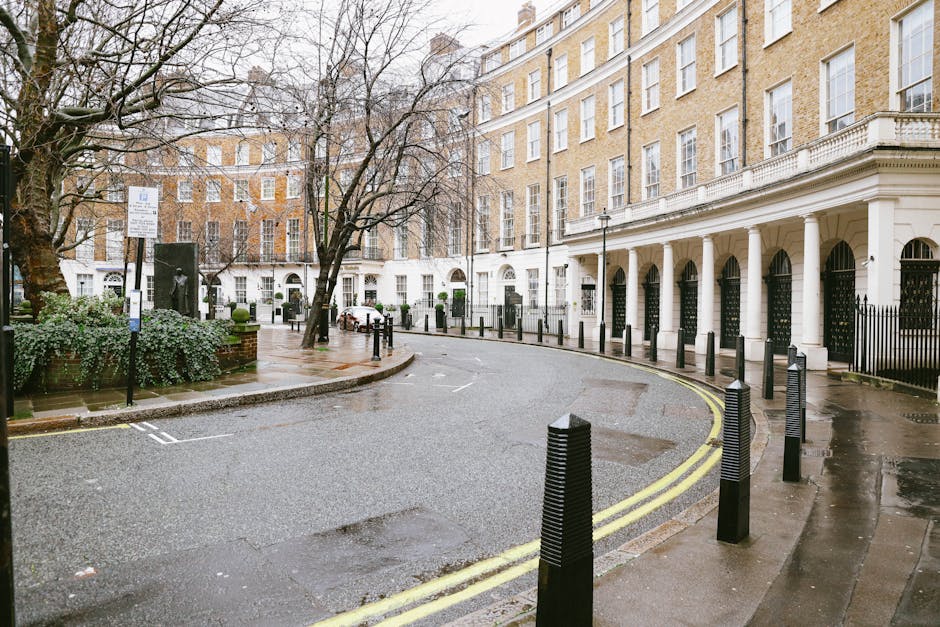
Mayfair East Residents' Cleaning Guide (Grosvenor Square)
If you live around Grosvenor Square, you already know the rhythm of the area: busy mornings, elegant buildings, polished interiors, and the quiet pressure of keeping everything looking effortless. That is exactly where the Mayfair East Residents' Cleaning Guide (Grosvenor Square) comes in. It is not just about making a flat or townhouse look neat for a moment; it is about maintaining a home that feels calm, healthy, and ready for real life, whether that means guests dropping by, staff coming through, or simply reclaiming a bit of breathing room after a long week. Truth be told, in a place like this, cleaning has a different standard. The dust shows up on dark wood, limescale can gather faster than you'd like, and soft furnishings need more care than most people expect.
This guide breaks down how residents near Grosvenor Square can approach domestic cleaning sensibly, what matters most in Mayfair East homes, and how to avoid the kind of small mistakes that become expensive later. You will also find practical checklists, a comparison table, and useful internal resources if you want to explore related services such as the full service overview, house cleaning support for local homes, or specialist upholstery cleaning in Mayfair. A clean home here should feel lived-in, not overworked. That balance matters.
Table of Contents
- Why Mayfair East Residents' Cleaning Guide (Grosvenor Square) Matters
- How Mayfair East Residents' Cleaning Guide (Grosvenor Square) Works
- Key Benefits and Practical Advantages
- Who This Is For and When It Makes Sense
- Step-by-Step Guidance
- Expert Tips for Better Results
- Common Mistakes to Avoid
- Tools, Resources and Recommendations
- Law, Compliance, Standards, or Best Practice
- Options, Methods, or Comparison Table
- Case Study or Real-World Example
- Practical Checklist
- Conclusion
- Frequently Asked Questions
Why Mayfair East Residents' Cleaning Guide (Grosvenor Square) Matters
Homes around Grosvenor Square tend to have a mix of character and expectation. Some are classic period properties with ornate detailing, tall windows, and heritage finishes; others are carefully updated apartments with stone, glass, and high-end fittings. Either way, the cleaning standard is rarely "good enough". It has to be consistent, considerate, and suited to the materials in the property.
There is also a practical side that people sometimes miss. In a high-value area like Mayfair East, cleaning is not only about appearance. It affects how well surfaces last, how pleasant the home feels day to day, and how easy it is to manage seasonal issues like damp spots, pollen build-up, winter grit, and fine city dust. A little neglect in the wrong place can show quickly. On marble, on wool carpet, on polished brass, on upholstery. You know how it goes.
This guide matters because it helps residents make better choices: what to do themselves, what to outsource, and where to be careful. If you're weighing up broader living standards in the area, you may also find it useful to read whether Mayfair is ideal for living and what makes Mayfair so distinctive in London. Those pieces help place the cleaning conversation in a wider lifestyle context.
Expert takeaway: In Grosvenor Square homes, the best cleaning routine is the one that protects finishes, keeps standards high, and fits the way you actually live. Fancy is not the goal. Reliable is.
How Mayfair East Residents' Cleaning Guide (Grosvenor Square) Works
At a simple level, the guide follows the logic of any effective residential cleaning plan: assess the property, prioritise the most visible and most vulnerable areas, choose the right method, and keep a sensible schedule. The difference in Mayfair East is that the property profile is more varied and the materials often require a softer hand.
Think in layers. Daily touchpoints need light maintenance. Weekly routines handle dusting, floors, bathrooms, and kitchens. Monthly or seasonal tasks cover deeper work like carpets, upholstery, high-level dust, stone care, and behind-appliance cleaning. This layered approach is far more effective than the old panic-clean on the morning before guests arrive. We have all been there, frankly.
For residents who want support beyond a standard tidy, it often makes sense to combine routine domestic help with occasional specialist services. For example, a home might use domestic cleaning for regular upkeep, then schedule carpet cleaning for deeper refreshes when fibres start to look flat or hold onto odours. If there are reception rooms with heavier use, specialist upholstery cleaning in Mayfair can make a surprising difference.
The guide also works as a decision tool. It helps you judge whether a task is simple enough for a quick weekly routine or whether it needs experience, proper equipment, and a careful product choice. That distinction saves time and prevents damage. Nice and simple, really.
Key Benefits and Practical Advantages
The benefits of a well-run cleaning plan in Grosvenor Square go beyond looking presentable. In everyday terms, you gain a home that feels lighter, easier to manage, and more welcoming. In practical terms, you reduce wear, protect your finishes, and lower the chance of messy surprises before visitors, contractors, or end-of-tenancy inspections.
- Better preservation of interiors: Regular care helps wood, stone, fabric, and glass last longer.
- Less stress before events or viewings: You are not racing the clock to hide dust and fingerprints.
- Improved hygiene: Kitchens and bathrooms stay more manageable when cleaning is steady, not occasional.
- More efficient use of time: A structured approach avoids repeating the same jobs because they were not done properly in the first place.
- Stronger resale or rental appeal: A clean, well-kept home always photographs and presents better.
There is a commercial angle too. If you are thinking about moving, letting, or selling, presentation matters a great deal. A well-maintained property tends to feel more trustworthy to prospective buyers and tenants. For related local insight, this guide to selling real estate in Mayfair and the Mayfair buyer's handbook are both worth a look. Cleaning, in that context, is not decoration. It is part of the asset's story.
Who This Is For and When It Makes Sense
This guide is especially useful for residents in and around Grosvenor Square who want more than a basic once-over. That includes homeowners, tenants, landlords, property managers, family offices overseeing residences, and anyone living in a property with premium finishes or frequent occupancy changes.
It makes sense when:
- your home has marble, stone, parquet, or delicate upholstery
- you host guests often and want a polished feel without last-minute scrambles
- you are preparing for a tenancy handover or sale
- you have a busy schedule and need a dependable routine
- you manage a second home and need periodic deep cleaning
- you want a cleaner, calmer space but do not want to over-clean and damage surfaces
It is also relevant if you are comparing service types. A standard house clean can be enough for light maintenance, but a larger or more ornate property may need a more tailored plan. If you are deciding between options, office cleaning in Mayfair might sound unrelated at first, but the same principles apply: clear priorities, consistent standards, and careful handling of different surface types. Different setting, same discipline.
And if your schedule is the main problem, you are not alone. Many residents in central London simply do not have the time for a proper deep clean, especially in the workweek rush. Nobody wants to spend a Saturday morning crouched behind a radiator with a dust cloth. Not glamorous. Not even slightly.
Step-by-Step Guidance
Here is a practical way to approach cleaning in a Grosvenor Square home without making it a huge ordeal.
- Walk the property first. Notice where dust gathers, where marks appear fastest, and which rooms are used most. Reception rooms, hallways, guest WCs, and kitchens usually deserve extra attention.
- Separate daily, weekly, and deep-clean tasks. If every job is treated as urgent, the routine becomes unworkable. Keep it sensible.
- Match products to surfaces. Use the wrong cleaner on marble, untreated wood, or fine fabric and you may create more work later. That part is non-negotiable.
- Start high and finish low. Dust shelves, light fittings, and tops of frames before vacuuming or mopping floors.
- Use the right tools for the job. Microfibre cloths, a HEPA vacuum, soft brushes, and gentle but effective cleaning agents usually outperform harsh all-purpose habits.
- Test on an inconspicuous spot. Especially on upholstery, natural stone, and heritage finishes.
- Reset the high-traffic points. Handles, switches, bathroom surfaces, kitchen counters, and entry areas tend to make or break the overall impression.
- Schedule deeper work before problems show. Carpets, upholstery, grout, and vents are easier to maintain than to rescue.
For homes that see frequent footfall, it can help to keep a running note on your phone. Nothing fancy. Just a plain list of what is starting to look tired. It sounds small, but it saves a lot of guesswork later.
Expert Tips for Better Results
In our experience, the best results usually come from restraint, consistency, and knowing when to stop. That last one matters more than people think. Over-wetting fabrics, scrubbing too hard, or using strong chemicals because something looks stubborn can all make matters worse.
Here are a few practical tips that suit Mayfair East homes particularly well:
- Protect natural finishes: Stone, wood, and brass often need gentler care than people expect.
- Ventilate properly: Even on a damp London morning, a bit of airflow helps reduce lingering smells and moisture.
- Focus on touchpoints: If you only have time for a quick clean, do the handles, switches, taps, and remotes.
- Use vacuum attachments properly: The small nozzle is boring, yes, but it gets into edges where dust collects.
- Refresh soft furnishings seasonally: Upholstery and rugs trap more than dust; they hold the day-to-day feel of a room.
One useful habit is to clean to a finish, not just to a standard. That means stepping back and looking at how the room reads from the doorway. Does the space feel even, calm, and cared for? If not, there is usually one overlooked area pulling the eye. It might be a smudged mirror, a dusty skirting board, or a tired cushion. Small things, but they matter.
For more practical local cleaning ideas, especially if you live near the central streets around the square, have a look at these cleaning tips for Brook Street homes in Mayfair W1. The advice is very transferable.
Common Mistakes to Avoid
Some cleaning problems are less about effort and more about method. A spotless-looking room can still hide avoidable damage or recurring grime if the routine is off.
- Using one cleaner for everything: It is convenient, but not always safe for premium surfaces.
- Ignoring the soft stuff: Curtains, cushions, headboards, and dining chairs collect dust faster than people realise.
- Letting bathrooms sit too long: Limescale and soap residue become much harder to remove once they set.
- Cleaning in the wrong order: If you mop first and dust later, you are simply moving work around.
- Forgetting hidden spots: Behind radiators, under sofas, along skirting boards, and around taps are classic missed areas.
- Waiting until moving day: End-of-tenancy or pre-sale cleaning is much harder if you leave everything to the last minute.
There is also a quieter mistake: assuming a property looks clean because it smells fine. Not always true. A room can smell fresh and still have dust on high shelves, grime in corners, and dull fabrics that need attention. Smell is useful, but it is not the whole story.
Tools, Resources and Recommendations
You do not need a cupboard full of gadgets. You do need the right basics. For most Mayfair East homes, the most useful kit is fairly straightforward:
- microfibre cloths in separate colours for kitchen, bathroom, and general use
- a vacuum with good filtration and attachments
- a soft brush for skirting, vents, and delicate edges
- gentle stone-safe and fabric-safe cleaning products
- glass cleaner that does not leave a greasy film
- bucket, mop, and a spare set of gloves
- lint roller for quick upholstery touch-ups
For residents who prefer a managed service, it helps to look at the broader picture rather than booking blindly. The services overview gives a useful sense of what is available, while pricing and quotes is the right place to understand how estimates are typically handled. If you are worried about trust, about us and insurance and safety are both sensible pages to review before booking.
For administrative confidence, you may also want to check health and safety policy, terms and conditions, and privacy policy. It is not the exciting part, granted, but it helps you know what to expect.
Law, Compliance, Standards, or Best Practice
Cleaning in a residential setting is usually governed less by dramatic rules and more by everyday best practice, product instructions, property-specific requirements, and sensible care. In the UK, residents and service providers should be mindful of safe product use, manual handling, ventilation, and any applicable building or landlord rules. If a property contains heritage features, specialist finishes, or shared access areas, extra caution is wise.
For homeowners and tenants, the key is to avoid accidental damage and respect the property's condition. For landlords and managing agents, consistency and clear expectations matter even more. In practice, that means documenting what needs attention, agreeing access arrangements, and keeping work within the bounds of what is safe and suitable for the materials involved.
Good providers also take safety seriously. That includes proper insurance, staff awareness, suitable equipment, and clear handling of complaints if something goes wrong. If you want the formal side of things, pages like the complaints procedure and accessibility statement are useful for understanding how a service is set up to support different users. For ethical business standards, the modern slavery statement is also worth a look.
Practical rule of thumb: if a surface is delicate, historic, or expensive to replace, do not guess. Test first, or bring in help.
Options, Methods, or Comparison Table
Different homes need different cleaning approaches. The right method depends on how the property is used, what it is made from, and how often it is occupied. A quick comparison can help.
| Method | Best For | Strengths | Limitations |
|---|---|---|---|
| Regular domestic cleaning | Weekly upkeep in lived-in homes | Keeps dust and clutter under control; easy to maintain | May not be enough for deep grime or delicate materials |
| Deep cleaning | Seasonal resets, post-event refreshes, move-in prep | Covers hidden dirt and neglected areas | More time-intensive and needs a clear scope |
| Carpet cleaning | High-traffic rooms, rugs, and fibre care | Refreshes appearance and helps remove trapped dust | Needs correct drying and material awareness |
| Upholstery cleaning | Sofas, dining chairs, headboards, fabric accents | Helps preserve appearance and comfort | Requires spot testing and careful technique |
| End-of-tenancy cleaning | Handovers, deposits, and property transitions | Targets inspection standards and move-out readiness | Best when scheduled with enough lead time |
If you are unsure which option fits, start with the rooms that create the strongest first impression: entrance hall, kitchen, main living area, and bathrooms. That usually tells you where the real work is. Everything else follows.
Case Study or Real-World Example
A typical Grosvenor Square scenario goes like this. A resident in a large apartment notices that the living room still looks dull even after regular tidying. The surfaces are wiped, the cushions are arranged, but the room never quite feels finished. There is a faint odour in the upholstery, dust in the corners of the curtains, and the carpet has taken on a flattened look near the seating area.
Instead of tackling everything with stronger products, the smarter approach is more measured: vacuum thoroughly, treat the upholstery carefully, refresh the carpet with a suitable method, and clean the room top to bottom in the right order. Once the soft furnishings are handled properly, the room usually feels brighter without needing any dramatic change.
That sort of result is common. Not magical, just careful. And honestly, that is the point. A polished Mayfair home often depends on a series of small, boringly good decisions made consistently over time.
Sometimes the biggest improvement is simply removing the clutter from the surfaces and letting the architecture breathe again. Those tall windows and refined room proportions do a lot of the work if you let them.
Practical Checklist
Use this checklist before a routine clean, deep clean, or property handover.
- Identify the rooms that matter most today
- Check which surfaces need gentle products
- Clear clutter from visible areas first
- Dust high surfaces before floors
- Clean mirrors, taps, handles, and switches
- Vacuum soft furnishings and edges
- Pay attention to skirting boards and corners
- Refresh bathrooms and kitchen contact points
- Spot-test any new product on delicate materials
- Open windows or improve ventilation where appropriate
- Review carpets and upholstery for deeper cleaning needs
- Double-check the entrance area, because first impressions are stubborn things
Quick self-check: if you had a visitor arrive in ten minutes, would the space feel calm and ready? If the answer is no, the checklist above usually shows you why.
Conclusion
The Mayfair East Residents' Cleaning Guide (Grosvenor Square) is really about helping you keep a high-standard home without turning maintenance into a second job. A good cleaning plan protects your finishes, supports daily comfort, and makes the whole property feel more settled. That matters whether you are hosting, living quietly, preparing to move, or simply trying to keep up with central London life.
Start with the rooms that matter most, use the right method for the right material, and do not leave everything to chance. If a task feels fiddly or too easy to get wrong, that is usually your cue to slow down or bring in specialist help. Better to do it once, properly.
Get a free quote today and see how much you can save.
And if you do nothing else after reading this, at least take five minutes this week to look at the one room that always bothers you. Usually, that is where the whole home starts to feel better.
Frequently Asked Questions
What is the best cleaning routine for a Grosvenor Square home?
A layered routine works best: light daily tidying, weekly cleaning for kitchens, bathrooms, and floors, plus occasional deep cleaning for carpets, upholstery, and harder-to-reach areas. The exact routine should match how the home is used.
How often should carpets be professionally cleaned in Mayfair East?
That depends on foot traffic, pets, children, and the carpet material. High-use areas often need more frequent attention than formal rooms, especially in homes with lighter-coloured fibres or valuable rugs.
Is regular domestic cleaning enough for premium Mayfair properties?
For some properties, yes. But homes with stone floors, fabric-heavy rooms, or frequent visitors often benefit from a combination of regular cleaning and deeper seasonal work.
What should I avoid using on marble or natural stone?
Avoid harsh acidic products and anything not intended for stone care. If you are unsure, use a stone-safe cleaner and test carefully first.
Can upholstery be cleaned safely in older Mayfair homes?
Usually yes, but the fabric type matters. Older homes may contain delicate or mixed materials, so spot testing and the right technique are essential.
What is the difference between deep cleaning and end-of-tenancy cleaning?
Deep cleaning focuses on thorough maintenance and neglected areas, while end-of-tenancy cleaning is usually more detailed and geared toward move-out inspections and handover standards.
How do I keep dust down in a busy central London property?
Regular dusting, proper vacuuming, and attention to high surfaces make a big difference. Airflow helps too, where it is practical and safe to open windows briefly.
Do I need specialist cleaning for guests or property viewings?
Not always, but specialist help can be worthwhile if you want carpets, sofas, or bathrooms to look especially fresh. For viewings, presentation often benefits from a more polished finish.
How do I know whether to book house cleaning or one-off cleaning?
If you want ongoing upkeep, a regular house cleaning arrangement is usually the better fit. If the property needs a reset after neglect, an event, or a tenancy change, a one-off or deep clean may be more appropriate.
Are there trust and safety things I should check before booking a cleaner?
Yes. Look at insurance, health and safety information, service terms, privacy practices, and how complaints are handled. Those details say a lot about how a company operates.
What if I only need help with one room?
That is completely normal. Many residents start with the living room, kitchen, or main bedroom. Focused help can still make a big difference, especially in a home with heavy use in one area.
Where can I learn more about local Mayfair cleaning needs?
Helpful starting points include the Mayfair cleaning blog, the Brook Street cleaning tips, and related pages on services, pricing, and safety. They give a better sense of how cleaning fits the area's homes and expectations.