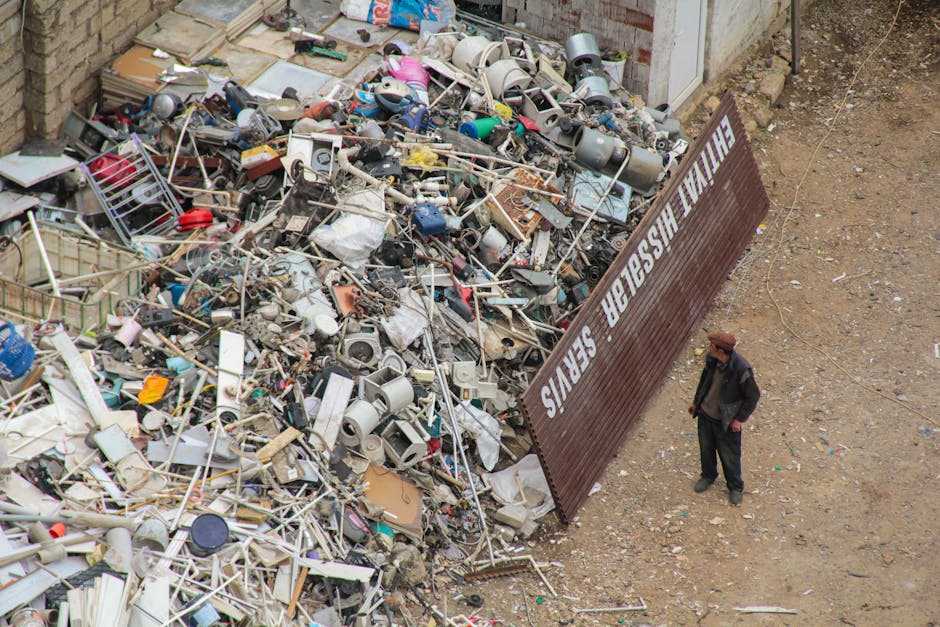
How Mayfair Residents Dispose of Bulky Waste Properly
Bulky waste has a habit of appearing at the least convenient moment. A sofa you finally replaced. A mattress that has seen one too many moves. A wardrobe that looked fine until you tried to drag it down a narrow Mayfair staircase at 8am. If you are trying to work out how Mayfair residents dispose of bulky waste properly, the good news is that there are sensible, legal, and fairly straightforward ways to do it without making a mess of the street or the schedule.
This guide explains what counts as bulky waste, how disposal usually works in a busy central London setting, what to avoid, and how to choose the most practical option for your home, flat, or managed property. It is written for real life, not a perfect brochure. Because let's face it, bulky waste is usually less about theory and more about getting a heavy object out of a property without scraping the wall on the way.
Along the way, you will find a step-by-step process, a comparison of disposal methods, a practical checklist, and a few common-sense tips that can save time, stress, and unnecessary handling. If you are looking for a responsible next step, you can also review the company's approach to recycling and sustainability, or learn more about the team on the about us page.
Table of Contents
- Why Proper Bulky Waste Disposal Matters in Mayfair
- How Bulky Waste Disposal Typically Works
- Key Benefits and Practical Advantages
- Who This Is For and When It Makes Sense
- Step-by-Step Guidance
- Expert Tips for Better Results
- Common Mistakes to Avoid
- Tools, Resources and Recommendations
- Law, Compliance, Standards, or Best Practice
- Options, Methods, or Comparison Table
- Case Study or Real-World Example
- Practical Checklist
- Conclusion
- Frequently Asked Questions
Why Proper Bulky Waste Disposal Matters in Mayfair
Mayfair is not a place where bulky waste can be treated casually. Streets are busy, access can be tight, and many homes are apartments, conversions, or managed buildings with shared entrances and time restrictions. A mattress left in the wrong place, even for a short while, can become an eyesore and a practical nuisance. It can block pathways, frustrate neighbours, and create avoidable safety risks.
There is also a wider environmental point. Bulky items are often a mix of reusable, recyclable, and non-recyclable parts. A sofa may contain timber, fabric, foam, springs, and metal fixings. A wardrobe might be largely reusable if dismantled carefully, while an old fridge or office chair may need a different handling approach. Sorting matters. It is not glamorous, but it does matter.
In our experience, people often underestimate the effort required until the item is half way through the hallway and everyone has gone quiet. That is the moment where proper planning pays off. If disposal is done badly, it can lead to damage, delays, or simply having to do the job twice. Nobody wants that.
Practical takeaway: the best bulky waste disposal method is the one that is safe, compliant, and matched to the item's size, condition, and building access. Not just the quickest one.
How Bulky Waste Disposal Typically Works
There are usually four broad ways to deal with bulky waste in Mayfair: reuse, recycling, a council or local collection route where available, or a private removal service. The right choice depends on what the item is, how soon it needs to go, and whether it can be broken down or reused.
1. Reuse first where practical
If the item is still in good condition, reuse is often the most sensible outcome. That might mean passing furniture to someone who can use it, or arranging for items to be separated for reuse rather than sent straight to disposal. This is especially useful for pieces that are sturdy, clean, and structurally sound.
2. Separate recyclable materials
Some bulky waste is not one single thing. An old bed frame, for example, may have metal that can be separated from fabric and wood. Dismantling makes handling easier and can improve the chance that some materials are recovered rather than discarded.
3. Choose a collection method
Depending on the circumstances, a collection service may collect from inside the property, from the kerb, or from a designated access point. In central London, that access detail matters a lot. A service that works well for a detached house may be awkward in a mansion block with a lift, concierge desk, and limited loading space.
4. Confirm the handling process
Before the item is moved, it helps to know who is doing the lifting, whether protective equipment is used, how the item will be removed, and what happens to it afterwards. Good providers should be clear about their process. If they are not, that is a small warning light. Not a siren, but a light.
If you are comparing providers, it is worth looking at broader trust factors too, such as insurance and safety and the company's health and safety policy. Those pages can give you a sense of how seriously the business treats handling, risk, and customer care.
Key Benefits and Practical Advantages
Doing bulky waste disposal properly is not just about being tidy. There are practical advantages that show up immediately.
- Less physical strain: heavy furniture and appliances are awkward. Proper handling reduces the chance of pulled backs, smashed fingers, and the classic "why did we try to do this ourselves?" moment.
- Better building etiquette: in shared buildings, clean and timely removal shows respect for neighbours and staff.
- Reduced damage risk: careful planning helps avoid scuffed walls, broken skirting boards, scratched lifts, and dented door frames.
- Cleaner results: when items are sorted and removed properly, there is less mess left behind.
- Improved sustainability: reuse and recycling options may keep materials in circulation for longer.
- More predictable timing: scheduled disposal is easier to fit around work, childcare, concierge hours, and building rules.
There is also peace of mind. That sounds soft, maybe, but it is real. Once the bulky item is gone correctly, you stop thinking about it. The hallway feels bigger. The flat feels less cluttered. Even the acoustics can change a little in an empty room; sounds carry differently when that old wardrobe is no longer swallowing the corner.
Who This Is For and When It Makes Sense
This topic matters to a wide range of Mayfair residents, not just people with a full house clearance. You may need bulky waste disposal if you are:
- replacing a sofa, bed, mattress, wardrobe, table, or dining set
- moving out of a flat and clearing a few large pieces quickly
- managing an inherited property that contains oversized furniture
- refurbishing a rented apartment between tenancies
- dealing with office-style items in a home workspace
- downsizing and sorting what stays versus what goes
- helping an older relative clear bulky items safely
It also makes sense if the item is technically movable, but only with awkward lifting or dismantling. A chest of drawers might not sound dramatic until you realise the landing turns sharply and the lift is smaller than the drawers themselves. Truth be told, that is where proper planning earns its keep.
For residents who want a more guided service, it can help to review the company's pricing and quotes information before making a decision. That way, you can compare options with a clearer sense of scope, not just guesswork.
Step-by-Step Guidance
If you want the practical version, here it is. Keep it simple and be methodical. The process is usually much easier when you treat it like a small project rather than a last-minute lift-and-hope operation.
Step 1: Identify the item and its condition
List what needs to go. Is it furniture, a mattress, white goods, garden items, or mixed household debris? Is it reusable, damaged, or broken into parts? This initial check helps determine whether the item can be donated, recycled, or removed as bulky waste.
Step 2: Measure access routes
Measure doorways, stairs, lifts, corridors, and any outside access point. In Mayfair, access can be the tricky bit. An item that seems manageable in the lounge can become a problem at the front door. Measure once, regret less.
Step 3: Dismantle where safe and practical
Taking furniture apart often makes it easier to carry and more likely to be separated for recycling. Remove cushions, shelves, table legs, and detachable parts. Keep fixings in a bag if the item might be reused elsewhere.
Step 4: Protect the route
If the item is being moved through a shared building, lay down coverings where needed and warn neighbours or building staff in advance. A small bit of preparation can save a lot of awkward apologies.
Step 5: Choose the disposal route
Select the best method based on urgency, item size, condition, and building access. If the item is heavy, bulky, or awkward, professional removal is usually the least stressful route. For more about company standards and customer trust, see the terms and conditions.
Step 6: Confirm timing and handover details
Make sure the collection time works with your building's rules, concierge availability, and parking or loading restrictions. In central London, timing can be everything. A perfect plan at the wrong hour is still a headache.
Step 7: Finish with a quick check
Once the item is gone, inspect the area for screws, shards, dust, or packaging. If the item was part of a larger clear-out, note what still needs sorting so the next step is clear.
Expert Tips for Better Results
A few small decisions can make bulky waste disposal much smoother. These are the kinds of details people often skip, then wish they had not.
- Take photos before moving anything. Useful for tracking what needs to go, especially if several items are involved.
- Check for hidden fixings. Some furniture has brackets, bolts, or wall anchors that are easy to miss.
- Empty drawers and shelves first. It sounds obvious, but you would be surprised how often this gets forgotten.
- Keep lifts free if possible. If your building uses shared lifts, remove bulky waste at a quiet time where allowed.
- Separate soft furnishings from wood and metal. Even if the provider handles sorting, pre-separation can help.
- Use proper gloves and footwear. Not fashion advice. Just sensible.
- Ask how items are processed after collection. A good provider should be able to explain their recycling or disposal approach in plain English.
Small note from practical experience: the item that looks easiest is sometimes the one that catches a corner and wobbles unexpectedly. It happens. Humans and furniture have a long, awkward history.
Common Mistakes to Avoid
Most bulky waste problems come from rushing. There is usually a smarter way, even if it takes ten extra minutes.
- Leaving items in communal areas: this can create access issues and may upset neighbours or building management.
- Assuming one method fits all: a mattress, a wardrobe, and a broken desk may need different handling.
- Ignoring access constraints: tight hallways and parking restrictions matter more than people expect.
- Forgetting to sort recyclable parts: mixed materials are easier to deal with when they are not all tangled together.
- Trying to lift alone: one person can move some items. Others, not so much.
- Choosing on price only: the cheapest option is not always the best if it creates delays, damage, or poor handling.
- Not checking what is included: collection from a flat, carry-down, dismantling, or protective handling may vary from provider to provider.
And yes, the old "we can probably manage it" line has caused more problems than anyone likes to admit. Sometimes you can. Sometimes you really, really shouldn't.
Tools, Resources and Recommendations
To handle bulky waste properly, a few basic tools can make all the difference. You do not need a van full of kit, just the right bits for the job.
- Heavy-duty gloves: for grip and hand protection.
- Strong moving straps or lifting aids: useful for awkward items when used correctly.
- Furniture sliders or blankets: helpful for protecting floors and reducing friction.
- Screwdrivers, Allen keys, and a basic tool kit: essential for dismantling furniture.
- Dust sheets or old coverings: useful in shared hallways or lift areas.
- Labels or tape: handy if you are separating items for reuse, recycling, or disposal.
If you are planning to book support, it helps to look at practical service pages before you commit. The company's contact us page is a sensible place to ask about access, timing, or item-specific handling, while payment and security explains how transactions are handled. Those little confidence checks matter more than they first appear.
For residents who value transparency, the privacy policy and accessibility statement can also be useful reads. They may not be thrilling bedtime material, granted, but they do help set expectations.
Law, Compliance, Standards, or Best Practice
Bulky waste disposal in London should be approached with care and common sense. While the exact rules can depend on the property, item type, and disposal route, the general best practice is straightforward: do not abandon waste, do not block shared access, and make sure disposal is handled responsibly.
If you live in a managed building, there may also be internal rules about timing, loading access, lift use, and where items can be stored before collection. Those building rules can be just as important as any external requirement. A polite message to the concierge or property manager can save a lot of friction.
There is also a duty of care principle in everyday terms: waste should be transferred to a responsible handler and not left for someone else to sort out later. A reputable provider should be able to explain how items are transported, separated, and processed. If they cannot clearly say where the waste goes or how it is managed, that is a reason to pause.
Best practice also includes health and safety planning. Heavy items should be assessed before movement, routes should be clear, and lifting should be shared where needed. Good companies usually build those checks into the service. If a provider describes safety as an afterthought, that is not ideal.
For more context on responsible operations, you can review the company's modern slavery statement and related trust pages. These do not directly explain bulky waste disposal, of course, but they do show the kind of governance-minded approach many residents look for when choosing a service partner.
Options, Methods, or Comparison Table
Different disposal methods suit different situations. The best one depends on condition, speed, cost, access, and how much physical work you want to do yourself.
| Method | Best for | Pros | Watch-outs |
|---|---|---|---|
| Reuse / pass on | Clean, usable furniture and home items | Often the most sustainable outcome; keeps items in circulation | Not suitable for damaged, stained, or unsafe items |
| Recycling-oriented collection | Items with separable materials | Supports material recovery; good for dismantled pieces | May require pre-sorting or disassembly |
| Managed collection service | Heavy items, flats, tight access, or time-sensitive removals | Less lifting for residents; more convenient in busy areas | Access details and item scope need to be clear |
| DIY disposal | Small quantities, easy access, transport available | Full control over timing | Time-consuming, physically demanding, and easy to get wrong |
For most Mayfair households, a managed collection approach is the least disruptive if the item is large or awkward. DIY can work for lighter items, but once stairs, lifts, or parking limitations are involved, the balance changes fast.
Case Study or Real-World Example
Imagine a resident in a Mayfair apartment deciding to replace a large sofa and a king-size mattress after a refurbishment. The sofa fits the room beautifully when it is there, but moving it out is another matter. The building has a narrow entrance, a lift that is fine for people but not generous with furniture, and a weekday concierge schedule.
The sensible approach is simple: measure the route, remove loose parts, check with building staff on timing, and arrange a collection window that avoids the morning rush. The mattress is wrapped or handled carefully, the sofa is dismantled where possible, and all fixings are bagged so they do not end up rattling around the hallway. The resident also asks how the items will be processed after collection, which gives extra reassurance.
Nothing dramatic happened. That is the point. The job was done without damage, noise, or unnecessary back-and-forth. The flat felt calmer afterwards, and the resident did not spend the evening trying to figure out where to leave a half-moved armchair. Quiet success. Best kind, really.
Practical Checklist
Use this checklist before any bulky waste collection or removal:
- Identify every item that needs to go
- Check whether any item can be reused
- Measure doors, lifts, stairs, and corridors
- Confirm whether items need dismantling
- Remove loose contents from drawers, cabinets, and appliances
- Protect floors and shared areas if needed
- Check building rules and access times
- Confirm who is handling lifting and removal
- Ask how items will be sorted, recycled, or disposed of
- Review pricing, payment, and service terms before booking
- Keep a final clear-up kit ready for dust, screws, and packaging
Expert summary: the cleanest bulky waste jobs are almost always the ones that are planned early, measured properly, and sorted sensibly. It sounds basic because it is. But basic, done well, saves a lot of trouble.
Conclusion
For Mayfair residents, proper bulky waste disposal is about more than getting rid of an old item. It is about respecting the building, protecting shared spaces, handling materials responsibly, and choosing a method that suits the realities of central London living. Small flats, tight entrances, shared lifts, and busy schedules all make planning worthwhile.
The best results usually come from a simple formula: sort what you can, dismantle what is safe to dismantle, check access, and choose a disposal route that matches the item and the property. Whether you are replacing one large piece or clearing several at once, a careful approach saves time and reduces stress. And honestly, it just feels better when it is done properly.
If you are ready to compare options or speak with a local team, you can start by reviewing the company's service information and then making an informed enquiry.
Get a free quote today and see how much you can save.
Even a messy clear-out can end well. One good decision at a time.
Frequently Asked Questions
What counts as bulky waste in a Mayfair home?
Bulky waste usually means large household items that are awkward to carry or cannot go out with normal everyday refuse. Common examples include sofas, mattresses, wardrobes, tables, chairs, and some appliances. If you would not comfortably carry it down stairs by yourself, it probably belongs in this category.
Can I leave bulky waste in the street for collection?
In general, you should not leave bulky waste on the street unless it has been arranged through an appropriate collection process and placed exactly where instructed. Leaving items out casually can cause obstruction, complaints, or enforcement issues. In shared buildings, it can also upset neighbours very quickly.
Is it better to dismantle furniture before disposal?
Usually, yes, if it can be done safely. Dismantling furniture makes items easier to move, easier to fit through tight access points, and often easier to sort for recycling. Just keep the screws, bolts, and fittings together so nothing gets lost in the shuffle.
What should I do with a mattress or bed frame?
Mattresses and bed frames are among the most common bulky items. The mattress should be kept clean and handled carefully, while the bed frame may be dismantled if that makes removal safer. A frame made of mixed materials is often easier to process once it has been broken down into its main parts.
How do I know whether to reuse, recycle, or dispose of an item?
Ask yourself three things: is it still usable, is it structurally sound, and can it be separated into materials easily? If the answer to the first two is yes, reuse may be possible. If the item is damaged but mostly recyclable, sorting may be the best route. If it is unsafe, badly worn, or beyond repair, disposal is usually the right call.
What is the safest way to move a heavy item downstairs?
The safest way is to clear the route first, use proper lifting techniques, avoid twisting, and get help for larger items. If the item is very heavy or awkward, professional handling is often the better choice. One person, one mattress, and a tight stairwell is a combination that rarely ends with applause.
Do I need to tell my building management first?
In many Mayfair properties, yes. It is smart to tell building management, concierge staff, or the property manager before bulky waste is moved. They may have rules about timing, lift use, loading bays, or hallway protection. A quick message can prevent a lot of unnecessary friction.
How can I make bulky waste disposal more environmentally responsible?
Start by reusing anything that is still in good condition. Then separate recyclable materials where practical, and choose a provider that can explain how items are handled after collection. Responsible disposal is usually about reducing what goes to waste and making the rest easier to process properly.
What should I ask before booking a collection service?
Ask what is included, whether dismantling is covered, how access is handled, what the timing will be, and how the items are processed afterwards. It also helps to ask about pricing, payment security, and any building-specific requirements. That way, you know what you are actually getting.
Why does bulky waste disposal matter so much in central London?
Because access is tighter, shared spaces are more common, and there is less room for mistakes. A bulky item left in the wrong place can disrupt neighbours, block pathways, and create a poor impression in a very visible area. Doing it properly keeps the process smooth and respectful.
Where can I find more information about the company before I book?
You can review the company's about us page for background, check recycling and sustainability for disposal values, and use the contact us page to ask practical questions. If you want to understand service expectations further, the terms and conditions page is also worth a look.
What if I only have one large item?
Even one large item can be worth arranging properly, especially if it is heavy, hard to manoeuvre, or difficult to carry through the building. There is no rule that says a single sofa must become your weekend project. Sometimes the smartest move is simply booking the right help.