Cleaning Compliance for Mayfair Listed Buildings
Cleaning a listed building in Mayfair is not the same as cleaning a modern flat or a standard office. The surfaces are older, the finishes are often fragile, and the margin for error is tiny. One wrong chemical, one rushed machine pass, one over-wet patch near timber or stone, and you can create damage that is expensive, awkward, and entirely avoidable. That is why Cleaning Compliance for Mayfair Listed Buildings matters so much: it is about protecting heritage value while still keeping the property spotless, usable, and presentable.
If you manage a townhouse, a luxury residence, a private club, or a commercial space in Mayfair, you will already know the balancing act. You need high standards. You also need care, documentation, and a cleaning method that respects the building itself. In this guide, we walk through what compliance really means, how it works in practice, what to avoid, and how to choose the right cleaning approach without losing sleep over it.
Why Cleaning Compliance for Mayfair Listed Buildings Matters
Listed buildings are protected because of their architectural or historic interest. In plain English, that means the cleaning process has to be careful, justified, and proportionate. The goal is not just to make the place look good on the day. It is to preserve original materials, decorative detail, and the overall character of the property.
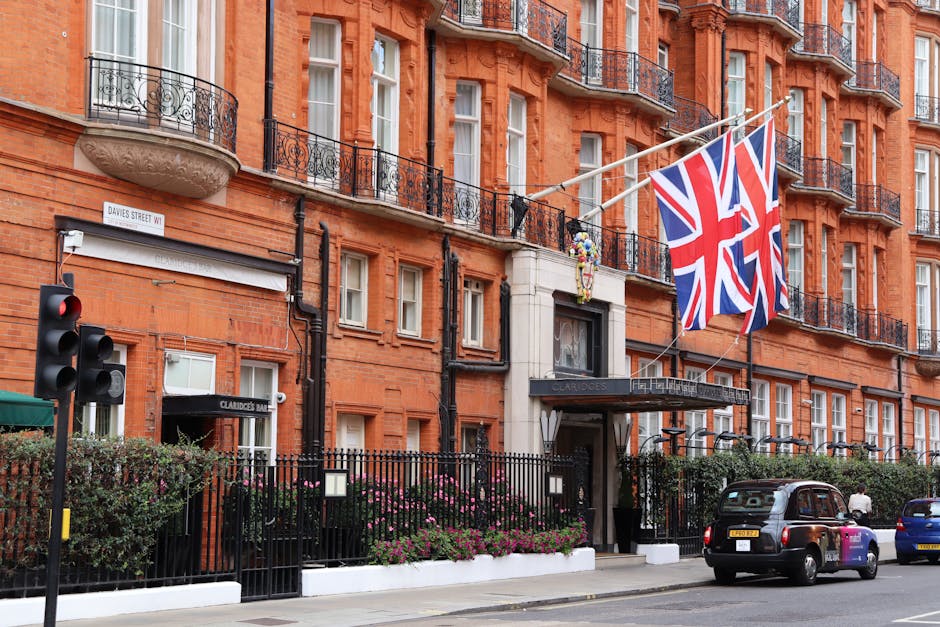
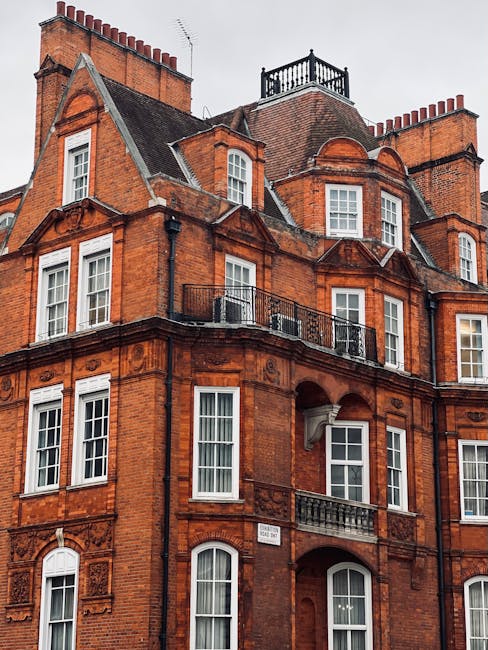
In Mayfair, that can include Georgian facades, ornate staircases, period stonework, wood panelling, brass fittings, hand-finished plaster, antique fireplaces, sash windows, and communal areas that have seen decades, sometimes centuries, of wear. These details are beautiful, but they are also unforgiving. Harsh detergents, abrasive pads, pressure washing, or poorly trained staff can leave irreversible marks. And once damage happens, it rarely stays a simple cleaning issue.
Compliance matters for another reason too: reputation. Many Mayfair properties are client-facing, guest-facing, or high-value residential spaces. A streaked window, a damaged skirting board, or a dulled stone threshold can reflect badly on the people responsible for the building. To be fair, nobody wants to explain why a quick clean turned into a restoration job.
There is also a practical layer. Cleanliness affects air quality, slip risk, pest control, maintenance planning, and day-to-day comfort. In older buildings, dust builds up in odd places, moisture can linger, and access can be awkward. A compliant cleaning plan helps you deal with those realities without cutting corners.
Key takeaway: compliance in listed buildings is not about making cleaning harder for the sake of it. It is about using the right method, at the right intensity, with the right record-keeping so the building stays protected.
How Cleaning Compliance for Mayfair Listed Buildings Works
Compliance starts before anyone picks up a cloth. The best approach begins with a survey of the property, an understanding of the building's sensitive features, and a clear agreement on what can be cleaned, how it can be cleaned, and what should be left alone unless specialist advice is given.
In practice, a compliant cleaning process usually includes the following stages:
- Identify protected or delicate features. Think original stone, gilded surfaces, lime plaster, heritage timber, or specialist finishes.
- Check access and working conditions. Narrow staircases, high ceilings, basement areas, shared hallways, and limited parking all affect the plan.
- Select suitable methods and products. Low-residue, non-abrasive, and surface-appropriate products are usually safer than aggressive all-purpose cleaners.
- Test first. Small patch tests help reduce the risk of staining, etching, or colour loss.
- Set controls for moisture, heat, and pressure. Many historic materials hate excess water, high heat, or mechanical force.
- Document what was done. A simple cleaning log, method note, or pre/post checklist can be invaluable.
That sounds orderly because, honestly, it needs to be. Listed buildings reward patience. They do not reward enthusiasm with a steam machine. And yes, there is a little bit of judgment involved. A pristine marble hallway might look robust until you see hairline cracks, wax build-up, or a patch of previous repair work. Then the "easy job" suddenly isn't.
Another important point: compliance is not only about the inside of the property. External areas, shared entrances, light wells, sash windows, ironwork, and communal spaces can all carry risks if they are cleaned carelessly. If your building has shared access or a managed entrance, coordination matters as much as technique.
Key Benefits and Practical Advantages
When cleaning compliance is handled properly, the benefits go well beyond a smart-looking finish. You get protection, consistency, and fewer nasty surprises.
- Reduced risk of damage. The most obvious benefit, but also the one people underestimate.
- Better long-term preservation. Gentle, suitable cleaning helps maintain original materials for longer.
- Fewer disputes. Clear records make it easier to show what was cleaned, when, and how.
- Safer working conditions. Good planning reduces slips, trips, exposure to chemicals, and access issues.
- Improved presentation. Clean heritage properties make a stronger impression on guests, residents, buyers, and tenants.
- More predictable maintenance costs. Regular compliant cleaning can reduce reactive repairs caused by neglect or misuse.
There is also a subtle commercial advantage. Properties that are consistently cared for tend to feel calmer and more valuable. You notice it when you walk in: the air smells clean but not perfumed, the stone doesn't have that sticky film, and the windows let in the light properly. It's the sort of thing people sense before they can explain it.
If your building needs ongoing support rather than a one-time reset, regular cleaning can be a practical way to keep standards steady without overworking delicate surfaces. For deeper upkeep, a scheduled deep cleaning visit is often more appropriate than occasional heavy intervention.
Who This Is For and When It Makes Sense
This topic is relevant to anyone responsible for a listed property in Mayfair, but the exact needs vary a lot. A private homeowner will think differently from a building manager, and a luxury office will have different pressures again.
- Owners of listed homes and townhouses who want a clean home without harming historic features.
- Property managers responsible for ongoing upkeep, contractor oversight, and resident expectations.
- Commercial occupiers working from heritage offices, private clubs, galleries, or consulting spaces.
- Landlords and estate teams preparing a property for inspection, letting, or handover.
- Hospitality operators managing boutique or short-let accommodation in a period building.
It makes sense any time the property has sensitive finishes, landlord obligations, occupant expectations, or heritage risks. That includes move-in and move-out periods, post-refurbishment cleaning, seasonal resets, and the awkward in-between stage where the building looks fine from a distance but needs proper attention up close.
For example, after decoration works, a place might seem ready at first glance. But there can be fine dust on cornices, residue on windows, and footprints on old floorboards. In that situation, after builders cleaning is often a better fit than standard domestic cleaning. Likewise, if you are preparing a heritage property for occupation, move-in cleaning or move-out cleaning can help sequence the work properly.
Step-by-Step Guidance
Here is a practical framework you can use when planning cleaning for a listed building. It is not fancy. It just works.
- Start with a building walk-through. Look for fragile finishes, damp patches, historic fixtures, and areas with limited access.
- Separate routine cleaning from specialist areas. Not everything should be treated the same way. A bathroom, stone staircase, and painted sash window each need different handling.
- Record sensitivities before the job begins. Note what should not be scrubbed, soaked, steamed, or moved.
- Choose products with restraint. Mild, compatible products are usually the safer choice. Strong does not always mean better. In fact, it often means trouble.
- Test in a discreet area. Always. Especially on wood, stone, brass, fabric, or decorative paint.
- Use the least aggressive method that still achieves the result. Start gentle and escalate only if necessary.
- Control moisture and ventilation. Old buildings can hold damp in ways modern properties do not.
- Inspect as you go. Check for streaking, residue, lifted finish, or changes in texture.
- Document completion. A short note, checklist, or photo record can save a lot of awkward conversations later.
One small but important detail: if the building has communal areas, those should be scheduled to avoid disrupting residents or staff. In shared Mayfair properties, timing can matter just as much as technique. Nobody wants a hallway clean at 7 a.m. on a day when deliveries and guests are all arriving. A bit of common sense saves face for everyone.
If you need ongoing care for hallways, lobbies, and shared entrances, communal area cleaning can be a better operational fit than one-off visits. For workplaces in heritage buildings, commercial cleaning or office cleaning may be the more relevant route, provided the method is adapted to the building.
Expert Tips for Better Results
In our experience, the best results come from restraint, preparation, and consistency. Fancy equipment can help, but it is never a substitute for understanding the surface in front of you.
- Use microfibre intelligently. It lifts dust without the kind of abrasion that can bother delicate finishes.
- Keep products minimal. More chemical is not better. It usually means more residue.
- Work from top to bottom. It sounds obvious, yet it gets skipped all the time.
- Protect edges and detail. Cornices, mouldings, and carved timber often collect dust but dislike rough handling.
- Separate cleaning zones. Heritage reception areas, staff spaces, and utility areas should not all be treated the same way.
- Recheck after drying. Some marks only show once the surface has settled. Slightly annoying, yes, but useful.
For fabric-rich interiors, the same principle applies. A listed Mayfair property might have velvet seating, antique rugs, or bespoke upholstery that should not be treated like everyday furniture. A careful approach to upholstery cleaning, sofa cleaning, or even rug cleaning can preserve both appearance and texture.
If windows are part of the presentation, they deserve a specific plan too. The frames, putty, and surrounding finishes can be more delicate than they look. That is why window cleaning in listed buildings should be done with care, not speed. Speed and heritage rarely make a lovely couple.
Common Mistakes to Avoid
Most problems come from a short list of avoidable errors. The good news is that once you know them, they are fairly easy to prevent.
- Assuming all old surfaces are too fragile to clean. Not true. Many can be cleaned safely if the method is appropriate.
- Using universal cleaners on everything. One-size-fits-all products are convenient, but convenience is not the same as compliance.
- Over-wetting timber and plaster. This can lead to staining, swelling, or hidden deterioration.
- Skipping patch tests. It saves a minute and can cost a fortune. Not a great trade.
- Ignoring previous repairs. A repaired surface may react differently from the original material.
- Cleaning decorative elements too aggressively. Gilding, aged paint, and polished metals need light handling.
- Failing to document the process. When questions come up later, memory alone is a weak defence.
There is a second category of mistake that gets missed: poor coordination. A deep clean after a refurbishment, for example, can clash with trades finishing off snagging work. Or a cleaner may arrive before access arrangements, alarms, or resident instructions are sorted. The job may still get done, but it becomes messy in the non-cleaning sense of the word.
If a project has already involved dust, plaster residue, or surface contamination, a planned one-off cleaning session may be better than forcing the issue with a routine visit. After a proper reset, ongoing regular cleaning is usually far easier to maintain.
Tools, Resources and Recommendations
You do not need a warehouse full of gadgets to clean a listed building well. What you do need is the right kit for sensitive work, plus a simple process that staff can follow consistently.
| Method or Tool | Best Use | Why It Helps | Watch Outs |
|---|---|---|---|
| Microfibre cloths | Dusting, wiping, polishing | Low abrasion, good dust capture | Needs proper laundering to stay effective |
| Soft brushes | Carved detail, edges, vents | Reaches awkward areas gently | Hard bristles can mark paint or gilding |
| Low-moisture cleaning methods | Timber, decorative surfaces, older plaster | Reduces damp-related risk | May require more patience and repeat passes |
| Surface-specific products | Stone, wood, glass, fabric, metal | More compatible with historic finishes | Must be matched carefully to the material |
| Cleaning logs and checklists | Compliance and handover records | Shows what was done and when | Only useful if actually completed |
A good recommendation is to keep a building-specific cleaning profile. That can be a simple document listing delicate surfaces, access notes, approved products, and escalation points for anything unusual. It does not need to be grand. Just clear.
If you are comparing recurring support options, a package built around house cleaning may suit a private residence, while a more operationally focused arrangement could involve deep cleaning at intervals and lighter maintenance in between. For buildings with shared spaces, communal area cleaning often becomes part of the core plan rather than an add-on.
And because heritage properties can be expensive to maintain, it is sensible to ask about process, supervision, and insurance before any work starts. The right questions are boring in the best way. They prevent drama.
Law, Compliance, Standards, or Best Practice
This is the section where people often want a crisp answer, and fair enough. The reality is a little more nuanced. Cleaning a listed building may involve building consent considerations, landlord and lease obligations, health and safety duties, insurance requirements, and building-specific restrictions. The exact position depends on the property, the work, and the parties involved.
Rather than assuming one rule covers everything, it is safer to work from accepted best practice:
- Do no unnecessary harm. Use the least intrusive method that achieves the intended result.
- Respect protected fabric. Original materials and features should be handled conservatively.
- Check responsibility lines. Owners, managing agents, tenants, and contractors should know who signs off what.
- Keep a record. Notes, photographs, and product details can help if there is ever a question later.
- Use trained personnel. Listed buildings are not the place for guesswork.
If a property has a formal management structure, it can be wise to align cleaning practice with the building's own policies, insurance expectations, and health and safety procedures. For contractors, that may include risk assessment, method statements, induction rules, and access controls. In plain English: people need to know where to go, what to touch, and what not to touch. Simple, but crucial.
Trust also matters. If you are engaging a provider, look for transparent service terms, sensible payment processes, and clear complaint handling. Those details are not just admin fluff; they tell you how the business operates day to day. You can review practical service information through the terms and conditions, health and safety policy, insurance and safety information, and pricing and quotes pages.
Options, Methods, or Comparison Table
Not every building needs the same approach. The right method depends on whether you are maintaining, resetting, or restoring a space. Here is a practical comparison.
| Approach | Best For | Pros | Limitations |
|---|---|---|---|
| Routine maintenance cleaning | Occupied homes, offices, and shared areas | Keeps dirt from building up; less disruptive | May not remove heavy residue or post-work dust |
| Deep cleaning | Periodic resets, seasonal work, neglected areas | More thorough; reaches hidden build-up | Requires more time and careful planning |
| Move-in / move-out cleaning | Changeovers and handovers | Good for presenting the property at its best | Needs clear access and a defined scope |
| After builders cleaning | Post-refurbishment or repair work | Targets dust, residue, and fine debris | Must be adapted to delicate historic finishes |
| Specialist spot cleaning | Specific stains or isolated issues | Limits disturbance to surrounding areas | Not a cure-all for broader neglect |
In practice, many Mayfair properties need a blend of these approaches. A residence might rely on routine upkeep, then schedule a deeper reset before events or inspections. A commercial heritage space might use a stricter, more structured plan around occupancy patterns. The trick is matching the method to the building, not the other way round.
Case Study or Real-World Example
Here's a realistic example, without pretending it is some dramatic transformation story. A period townhouse in Mayfair had recently changed use and needed a cleaning plan that respected its original features. The building had stone flooring in the entrance hall, timber details on the staircase, decorative plaster upstairs, and a mix of modern and traditional fittings.
The first instinct from the owners was to "give it a proper scrub" before viewings. That would have been a mistake. Instead, the approach was broken into zones. The entrance and communal circulation spaces were treated as high-visibility areas, while the upper rooms were assessed for delicate finishes. Patch tests were used, moisture was kept low on woodwork, and window work was handled separately from the rest of the clean.
What changed? Not just the appearance. The process became calmer. Staff knew what to do. The building felt cared for rather than attacked by cleaning equipment. And, just as importantly, there were no awkward discussions about damaged paint or over-wet flooring. It was a simple lesson, really: when the property is old and valuable, good planning is part of the clean.
For properties with furnishings, fabrics, or mattresses that need particular care, related services such as carpet cleaning, mattress cleaning, or oven cleaning may be folded into the wider schedule depending on the building's use. A heritage home with heavy guest turnover, for example, may need a very different plan from a quiet private residence.
Practical Checklist
Use this as a quick pre-clean check before work begins. It's not glamorous, but it saves headaches.
- Identify listed or sensitive features before any cleaning starts.
- Confirm access, keys, alarms, and entry times.
- Note surfaces that must not be scrubbed, steamed, soaked, or polished aggressively.
- Choose products that suit the material, not the other way around.
- Test in a discreet area first.
- Protect flooring, edges, and vulnerable fixtures during the job.
- Use low-moisture methods where possible.
- Check drying, residue, and finish after each area is completed.
- Record what was cleaned and any issues found.
- Escalate anything unusual rather than guessing.
Short expert summary: if a surface looks historic, expensive, fragile, or all three, slow down. The safest clean is usually the one that looks a bit more thoughtful than dramatic.
If you are comparing service providers, it also helps to check how they handle privacy, payments, and complaints. Those are small signals, but they tell you whether the business is organised. You can review these points through privacy policy, payment and security, and complaints procedure. For broader company information, about us can be useful too.
Get a free quote today and see how much you can save.
Conclusion
Cleaning compliance for Mayfair listed buildings is really about respect: respect for the building, the people using it, and the long-term value tied up in every room, corridor, and facade. The best results come from careful planning, suitable methods, and a willingness to do the slower, safer thing when the surface calls for it.
That does not mean cleaning becomes complicated for the sake of it. It means the process becomes intelligent. Measured. A bit more patient, perhaps. And in a place like Mayfair, that is usually exactly what the building deserves.
If you approach it that way, you protect both the appearance and the story of the property. Not a bad outcome at all.
Frequently Asked Questions
What does cleaning compliance mean for a listed building?
It means cleaning the property in a way that protects historic fabric, avoids unnecessary damage, and follows the building's legal, insurance, and management requirements. The method should be suitable for the materials, the access conditions, and the level of sensitivity in the property.
Can normal domestic cleaners work in a Mayfair listed building?
Sometimes, but only if they understand how to adapt their approach. A standard domestic clean may be fine for some occupied areas, but heritage features, older finishes, and shared spaces often need more care and a different process.
Why is moisture such a concern in older properties?
Older materials can absorb water more easily, and excess moisture can cause staining, swelling, flaking, or hidden deterioration. That is especially relevant for timber, plaster, stone, and decorative finishes.
Should listed building cleaning always involve specialist products?
Not always, but the products should be chosen for the surface, not just for general convenience. Mild, low-residue products are often preferable, while harsher cleaners can be risky on delicate or historic materials.
How often should a listed property in Mayfair be cleaned?
That depends on use, occupancy, footfall, and the fragility of the building. A private home may need a different schedule from a commercial office or shared residence. Regular upkeep is usually easier and safer than occasional heavy cleans.
What areas are most at risk during cleaning?
Common risk areas include sash windows, timber trim, stone flooring, decorative plaster, brass fittings, antique furniture, and any repaired or patched surfaces. These often look sturdy but can respond badly to rough treatment.
Is after builders cleaning suitable for listed buildings?
Yes, but only with a careful method. Post-work dust and debris need to be removed, yet delicate finishes still need protection. A listed building should never be treated like a standard renovation site.
What records should be kept for cleaning compliance?
A simple checklist, notes on sensitive surfaces, product details, access instructions, and any issues found during the clean are all useful. If questions arise later, those records can be extremely helpful.
How do I know if a cleaner is suitable for a heritage property?
Look for evidence of care, clear policies, sensible communication, and a willingness to discuss methods before the job begins. If they ask about surfaces, access, and risk, that is usually a good sign. If they promise to make everything spotless with one miracle product, maybe pause.
Can cleaning damage a listed building even if no one means harm?
Absolutely. Most damage is accidental: too much water, the wrong chemical, abrasive tools, or rushed work. That is why process and training matter so much.
What is the best way to clean shared areas in a listed building?
Use a planned routine that respects residents or occupants, limits disruption, and protects sensitive surfaces. Communal areas often benefit from scheduled care rather than reactive cleaning after problems appear.
Where should I start if I need a compliant cleaning plan?
Start with a walk-through, identify sensitive materials, define the scope, and choose methods based on the actual building. If you want a more structured route, review service information, policies, and quote options before booking any work.